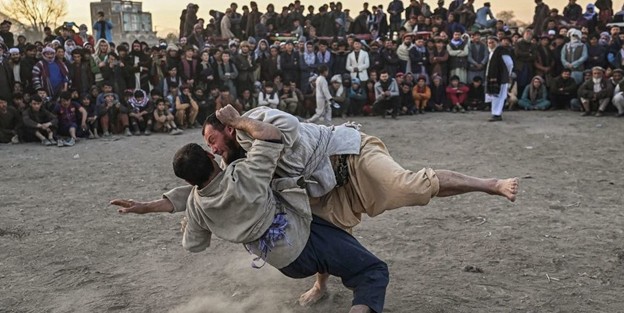
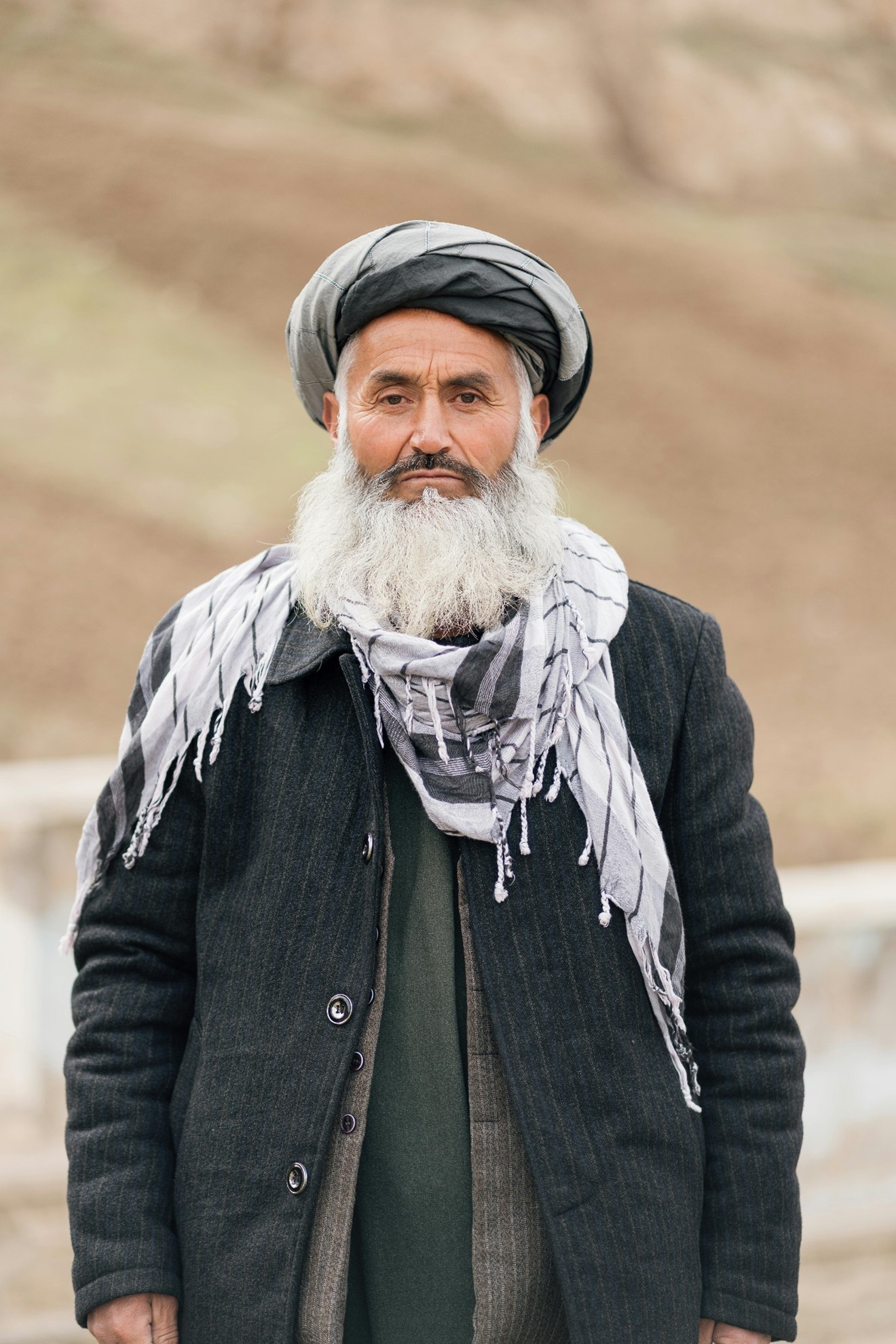
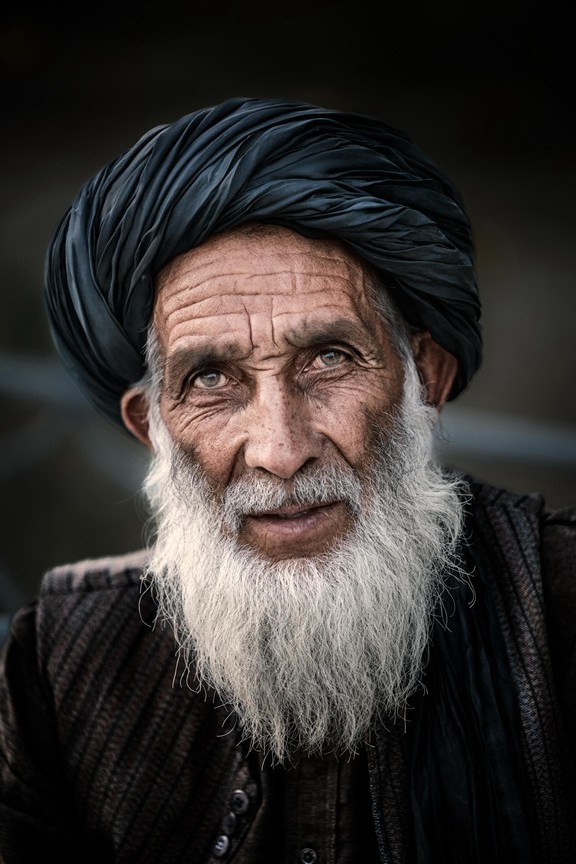
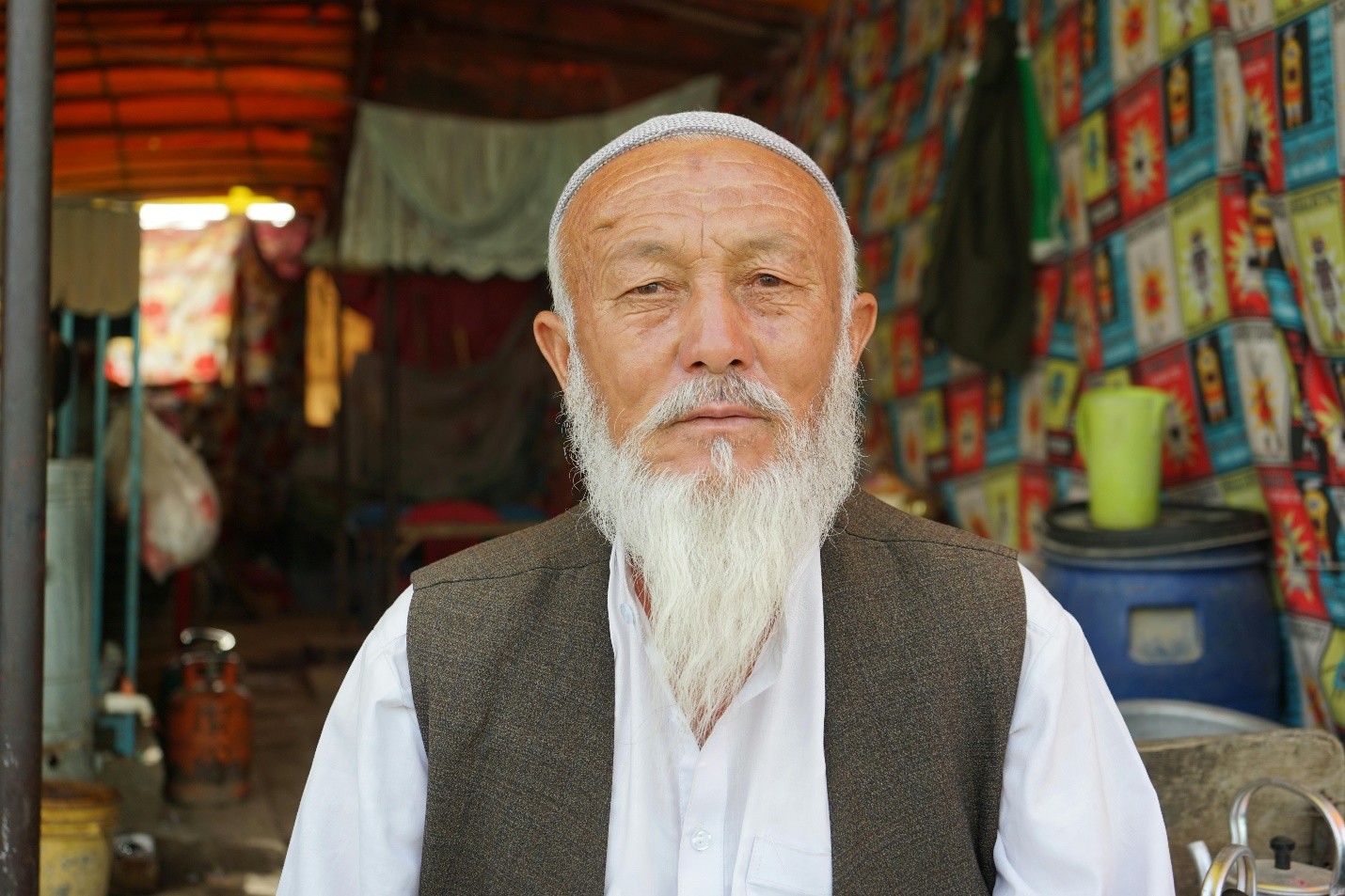
Afghanistan is home to a diverse range of ethnic groups, each contributing to the country’s rich cultural heritage, traditions, and social fabric, making it a fascinating destination for travelers interested in history, culture, and human diversity. The largest ethnic group is the Pashtuns, who are primarily found in the south and east of the country and are known for their distinct language, Pashto, and traditional code of conduct called Pashtunwali. Tajiks are another major group, mainly residing in the northeast and urban centers, speaking Dari and known for their poetry, art, and trade traditions. Hazaras, concentrated in central Afghanistan, are easily recognized by their distinct features and cultural practices, and they have a rich history of craftsmanship and community organization. Uzbeks, Turkmen, and smaller groups such as Baluch and Nuristanis further enrich Afghanistan’s social mosaic, each contributing unique languages, music, dance, and customs. Understanding the ethnic diversity of Afghanistan helps travelers appreciate the country’s complexity, social dynamics, and regional variations, offering deeper insight into local communities and fostering respectful cultural engagement during visits.